
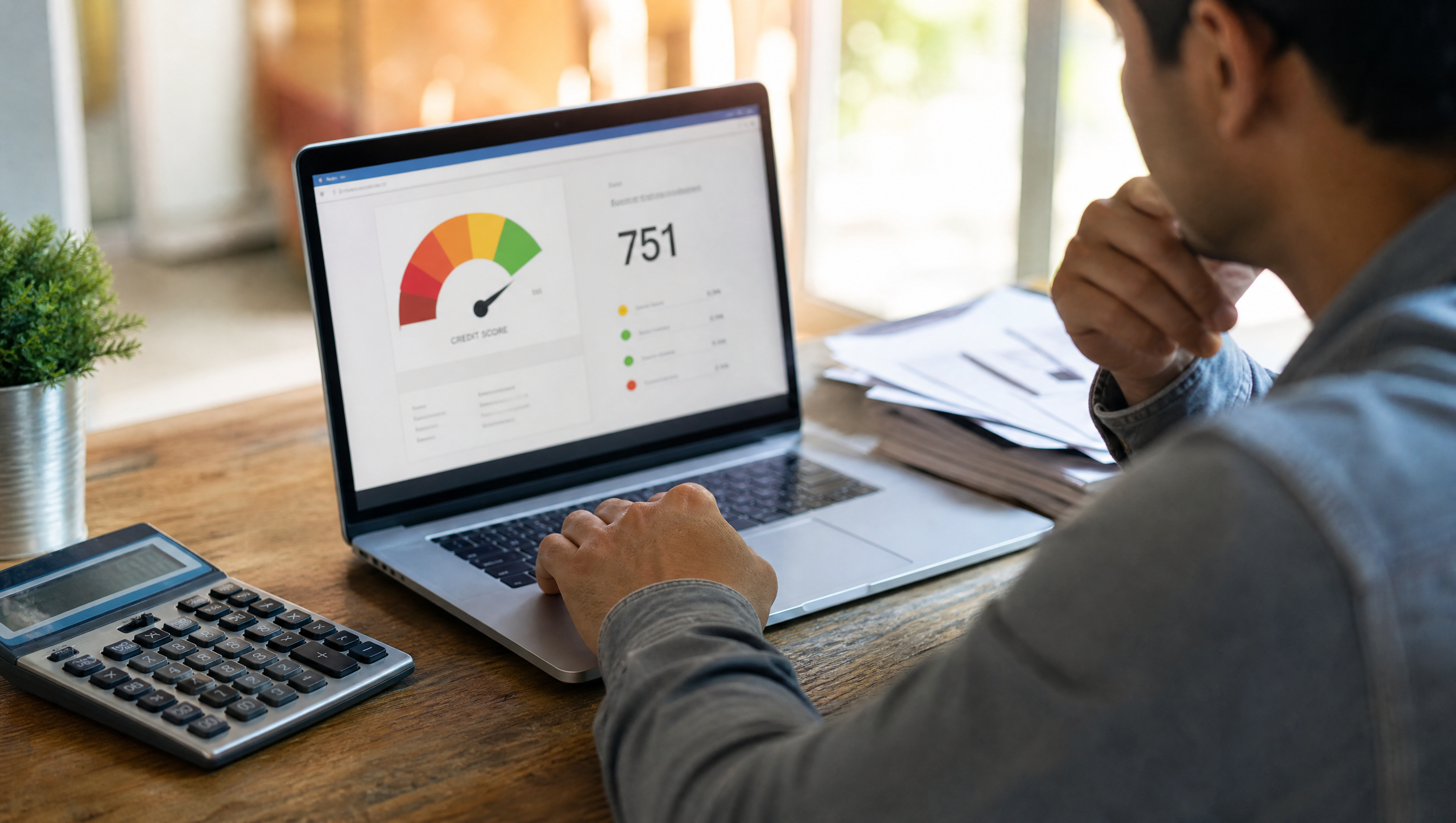
How to Build Business Credit: A Small Business Guide
Business credit isn't just a financial formality — it's a strategic asset. Whether you're launching a startup or scaling an established operation, the strength of your business credit profile determines how much capital you can access, at what cost, and on whose terms. Here's how to build it right from the start.
Why Business Credit Matters for Small Businesses
Lower Financing Costs
A strong business credit profile directly affects the interest rates lenders offer you. Better scores translate to lower rates, higher approval odds, and access to larger credit lines — differences that compound significantly over time. A business paying 8% on a line of credit versus 22% on a high-interest card isn't just saving money; it's freeing up capital to reinvest.
Vendor Relationships
Suppliers and vendors pay close attention to your business credit profile. As your score improves, many will extend net-30, net-60, or even net-90 terms without requiring upfront payment. That kind of trade credit is essentially free short-term financing, and it can meaningfully improve your cash flow.
Risk Separation
Keeping business and personal credit separate protects your personal assets from business liabilities. Beyond legal protection, it gives your business its own financial identity. Lenders, insurers, and even commercial landlords routinely pull business credit reports, so having a clean, developed profile opens doors that wouldn't otherwise open. Start building early — the leverage you create now becomes critical when you need a six-figure credit line or favorable lease terms later.
Get Credit-Ready: Set Up Your Business Properly
Formal Structure and Compliance
Learning how to build small business credit starts before you ever apply for an account. Form an LLC or corporation, obtain an Employer Identification Number (EIN) from the IRS, and complete all required state and local registrations. These aren't optional steps — they're the foundation lenders and bureaus use to verify your business is legitimate.
Business Identity Consistency
Your business name, address, and phone number must appear identically across every touchpoint: your website, Google Business Profile, credit applications, and supplier agreements. Even minor inconsistencies — "St." versus "Street," or a missing suite number — can create duplicate records in business credit databases or cause trade lines to fail to report correctly. Get a dedicated business phone number and a domain-based email address. These small signals carry weight with underwriters.
Banking Foundations
Open a dedicated business checking account and keep it active with regular, clean transactions. Your bank statements will be reviewed by alternative lenders and many traditional ones. Apply for a D-U-N-S Number through Dun & Bradstreet — this free identifier places your business in their database and is required by many vendors and government contractors before they'll extend terms.
How to Establish Credit for a New Business
Start with Vendor and Net-30 Accounts
The fastest path to learning how to establish credit for a new business is through vendor trade lines. Companies like Uline, Quill, and Grainger offer net-30 accounts to newer businesses and report payment history to D&B, Experian Business, or Equifax Business. Purchase supplies you'd buy anyway, pay before the due date, and repeat. That's it — the discipline is the strategy.
Report to Major Bureaus
Not every vendor reports to every bureau. Before you open an account expecting it to build credit, confirm where it reports. If a vendor doesn't report, look for alternatives that do, or use a service that enables trade line reporting for accounts that wouldn't otherwise show up. Three to five reporting trade lines is typically enough to generate a scored profile.
Early Payment Habits
Pay early, not just on time. Business credit scoring models — particularly the PAYDEX score from D&B — reward early payments with higher scores. Keeping utilization low matters too. Avoid large, irregular purchase spikes that look inconsistent against your revenue. Once you have a few reporting trade lines, a business credit card becomes the logical next step. Use it for routine expenses, pay it off monthly, and let the pattern build.
How to Get Business Credit with Bad Personal Credit

Minimize Personal Guarantees
Knowing how to get business credit with bad personal credit means finding lenders and vendors that underwrite on business data rather than your personal FICO score. Some business credit cards — particularly charge cards with revenue-based underwriting — evaluate your business bank account and cash flow instead of pulling your personal credit. Start there.
Alternative Lenders and Fintech
Fintech lenders like Fundbox, Bluevine, and OnDeck evaluate time-in-business and monthly revenue more heavily than personal credit scores. If you've been operating for at least six months with consistent deposits, you may qualify for revolving lines of credit even with a subprime personal score. Secured business credit cards are another option — a cash deposit establishes a credit limit and builds payment history without a personal credit check.
Collateral and Cash Flow
Collateral changes the math for lenders. Equipment financing, invoice factoring, and asset-backed lending allow businesses to access capital based on what they own or what they're owed. Clean bank statements showing stable monthly revenue carry significant weight. The goal is to demonstrate that your business is a reliable borrower independent of your personal financial history — which is exactly why separating business and personal finances from day one is non-negotiable.
Grow and Diversify: From Starter Accounts to Larger Limits
Tiered Approach to Credit
Building business credit follows a natural progression. Vendor trade lines come first, then retail or store cards tied to business suppliers, then fleet cards, and eventually general-purpose business credit cards with higher limits. Each tier requires a stronger profile than the last. Trying to skip steps — applying for a $50,000 line of credit with two months of history — wastes hard inquiries and often results in denials that slow you down.
Responsible Utilization
Keep business credit utilization under 30% across all revolving accounts. If your combined limit is $20,000, try not to carry more than $6,000 in balances at any time. Paying statements early — before the statement closing date — can lower the utilization that gets reported to bureaus each cycle.
Limit Increases and Mix
After six to nine months of consistent on-time payments, request credit limit increases with your existing lenders. This improves utilization ratios and signals growth without requiring new accounts. Diversify your credit mix over time with installment loans, equipment financing, or a small business line of credit. Lenders and bureaus treat a varied credit mix as a sign of financial maturity. Avoid applying for multiple new accounts in quick succession — the hard inquiries and new account flags can temporarily drag down your score.
How to Improve Business Credit Score and Maintain It
Monitor and Dispute Errors
Check your reports at D&B, Experian Business, and Equifax Business at least quarterly. Errors are more common than most business owners realize — incorrect payment statuses, outdated information, or accounts attributed to the wrong business. Dispute inaccuracies directly with each bureau and follow up until corrections are confirmed.
Payment Performance
Automate payment schedules so late payments aren't a risk. A single 30-day late payment can damage a PAYDEX score significantly and takes time to recover from. Aim to pay before due dates, not just on them.
Ongoing Compliance
Knowing how to improve business credit score long-term comes down to consistency. Keep vendor accounts active so they continue reporting. Renew business licenses on time and maintain good standing with your state to avoid public record issues that show up on credit files. Review your vendor terms annually — renegotiate where you've earned better terms, and close accounts that don't report to any bureau. Every account should be earning its place in your credit profile.
Business credit takes time, but it rewards discipline early. The businesses that start building the moment they launch are the ones that have real financial leverage when opportunity — or adversity — arrives.